
All Electroculture Guides
Electroculture guides for every question in one library: 23 pages on the idea, the antennas, the 1746–1937 history, the physics, and how to run your own fair garden trial.
Key takeaways
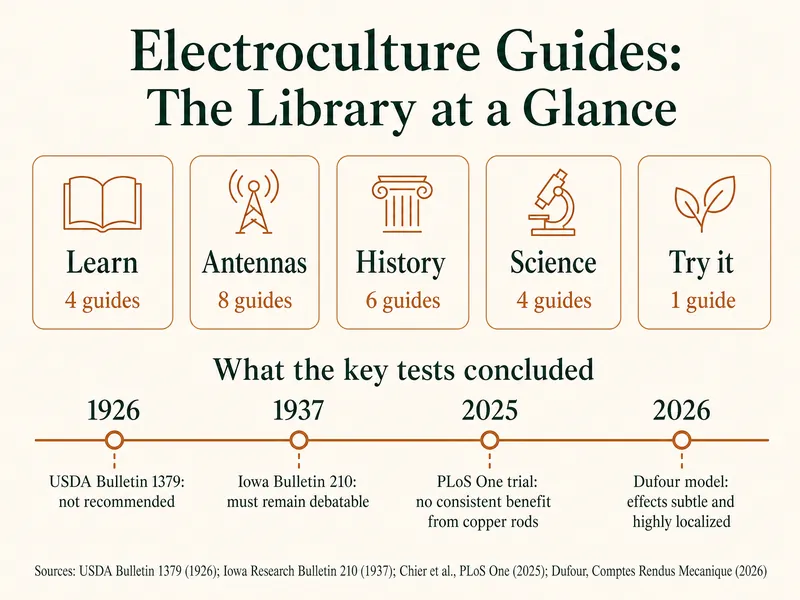
- The library has 23 guides in five groups: Learn (4), Antennas (8), History (6), Science (4) and Try it (1).
- The longest government test ran at Arlington, Virginia, in 1907–08 and 1911–18; the USDA's 1926 Bulletin 1379 concluded electroculture "is not recommended".
- Iowa's 1930–32 field trials included an original Christofleau apparatus; every yield difference fell within experimental error (Iowa Research Bulletin 210, 1937).
- The newest controlled trial, Chier et al. 2025 in PLoS One, grew 4 crops for 8 weeks and found no consistent benefit from passive copper rods.
- Every guide labels its evidence: controlled, peer-reviewed; controlled government or station trial; historical report; or promotional claim or anecdote.
- If you want to try antennas anyway, start with the side-by-side method in How to Test Electroculture in Your Own Garden.
The record in four numbers
- 1926Year the USDA bulletin advised against electroculture as a farm practiceUSDA Bulletin 1379
- 8 of 10Vegetable crops that yielded less than controls under the 1907 Arlington wire networkUSDA Bulletin 1379, pp. 3–4
- 2 mVTypical signal measured in pot soil beside coiled copper rodsChier et al. 2025, PLoS One
- 2 pA/m²Fair-weather current density used in a 2026 model of a passive collectorDufour 2026, Comptes Rendus Mécanique
Where should you start with electroculture?
Start with the definition and the evidence: electroculture means using electricity, natural or applied, to try to grow plants better, and the best-controlled trials, from the 1926 USDA bulletin to the 2025 PLoS One study, found no reliable yield gain. The four Learn guides explain the idea in plain words, weigh the claims against the trials, list every documented test side by side, and give beginners a realistic first season. If you only read one page, read the evidence guide; the overview on the home page is a shorter way in.
Which electroculture antenna guides are there?
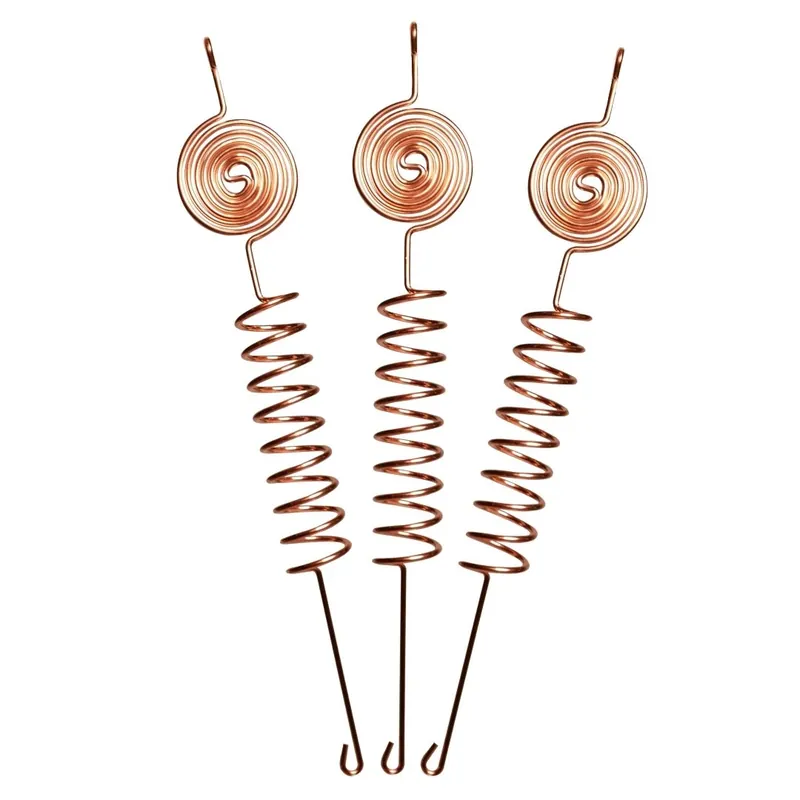
There are eight antenna guides, and the short answer they share is that copper coils and rods have not shown a benefit in a controlled trial: Chier and colleagues measured only about 2 mV reaching the soil from coiled copper rods (PLoS One, 2025). The guides cover the main antenna types and what sellers say about them, the designs and diagrams people copy, the Tesla Coil and Copper Butterfly stakes, copper rods and wire, a step-by-step build, and placement rules such as coil direction. Two of these pages describe products from Thrive Garden, a store that shares this site's owners, and each says so.
 AntennasElectroculture Antennas: Types, Claims and Evidence
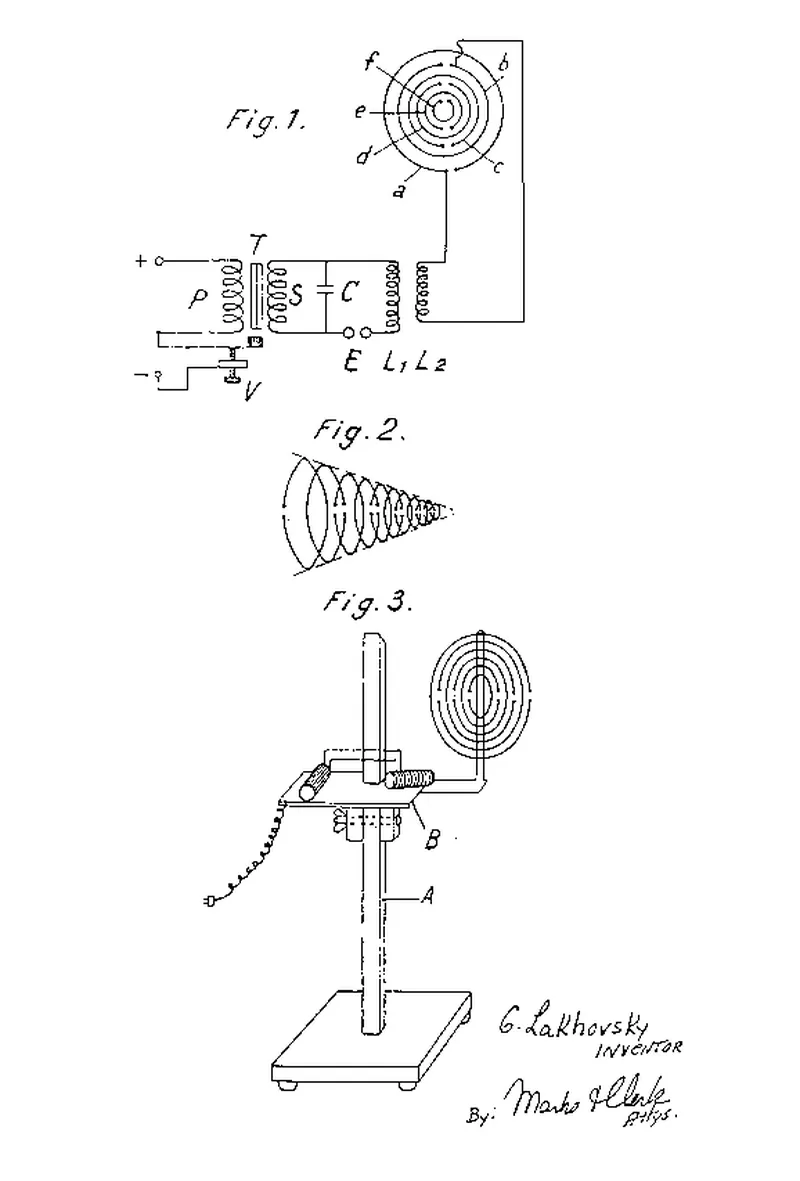 AntennasElectroculture Antenna Designs, With Diagrams
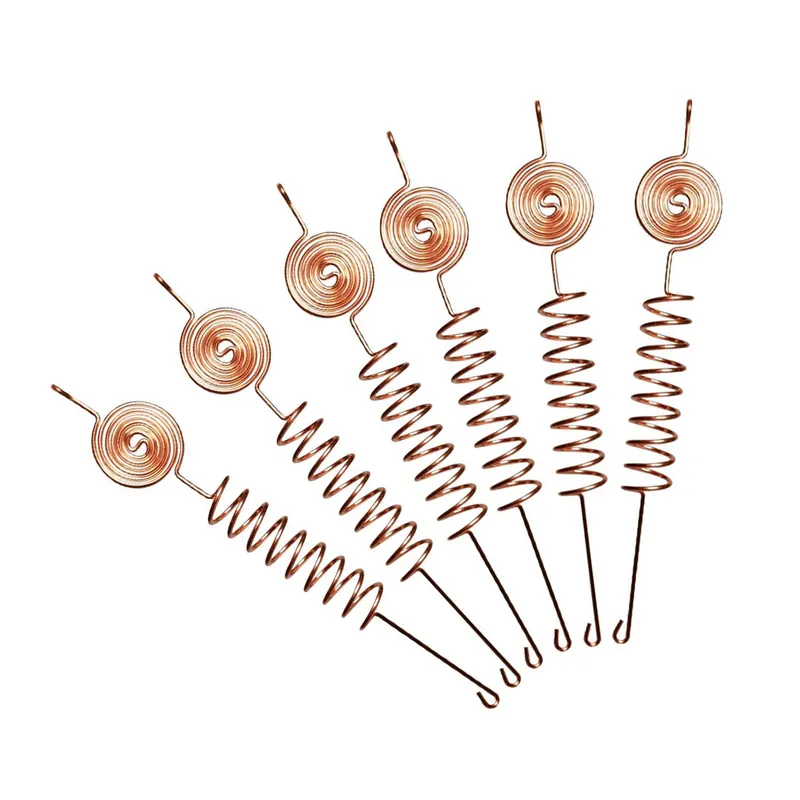 AntennasTesla Coil Electroculture Antenna: What It Is
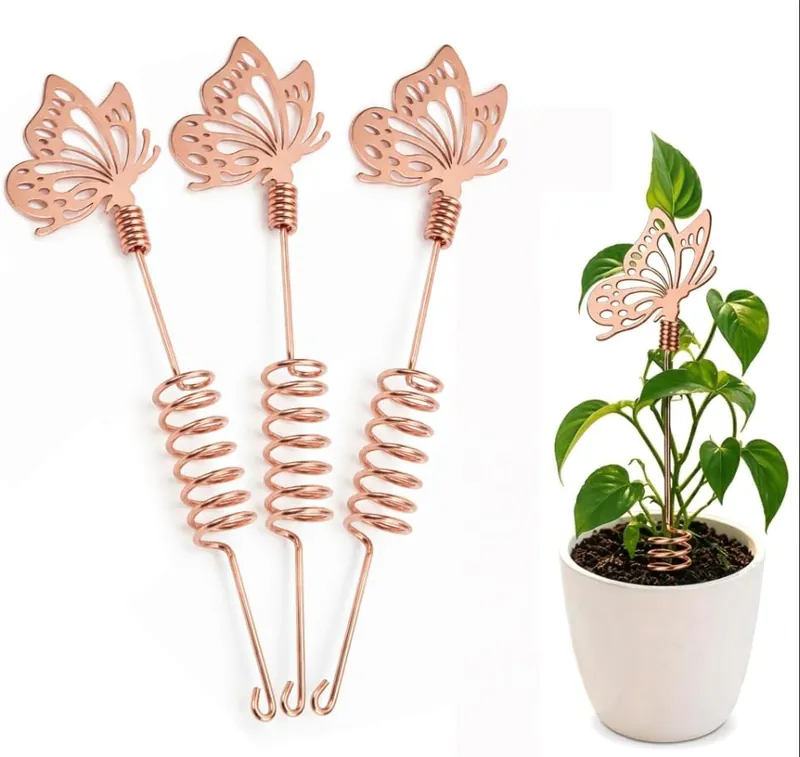 AntennasCopper Garden Stakes: The Butterfly Electroculture Antenna
- Copper Rods in the Garden: Do They Help?
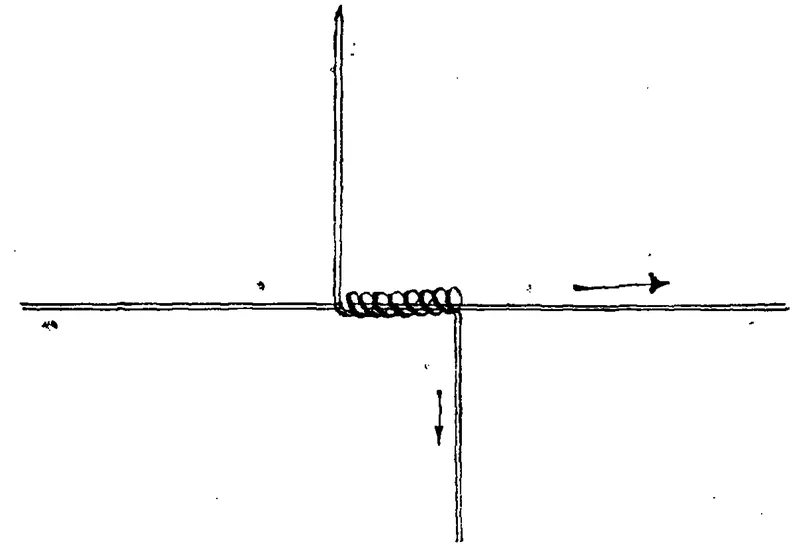 AntennasCopper Wire for Electroculture: Gauge and Type
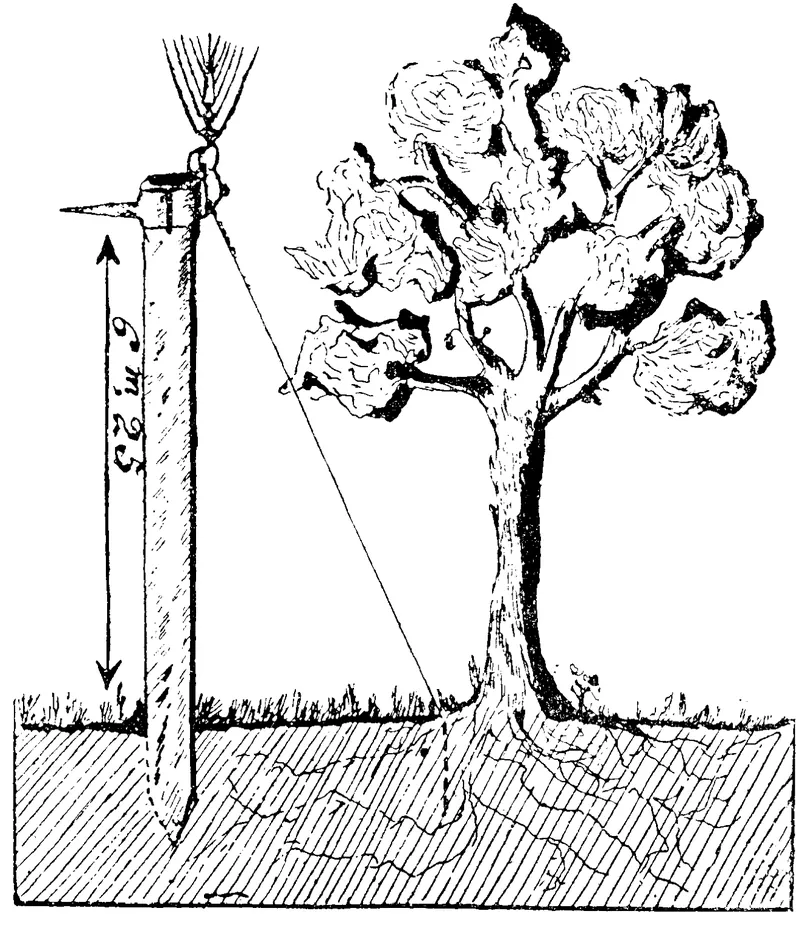 AntennasHow to Make an Electroculture Antenna, Step by Step
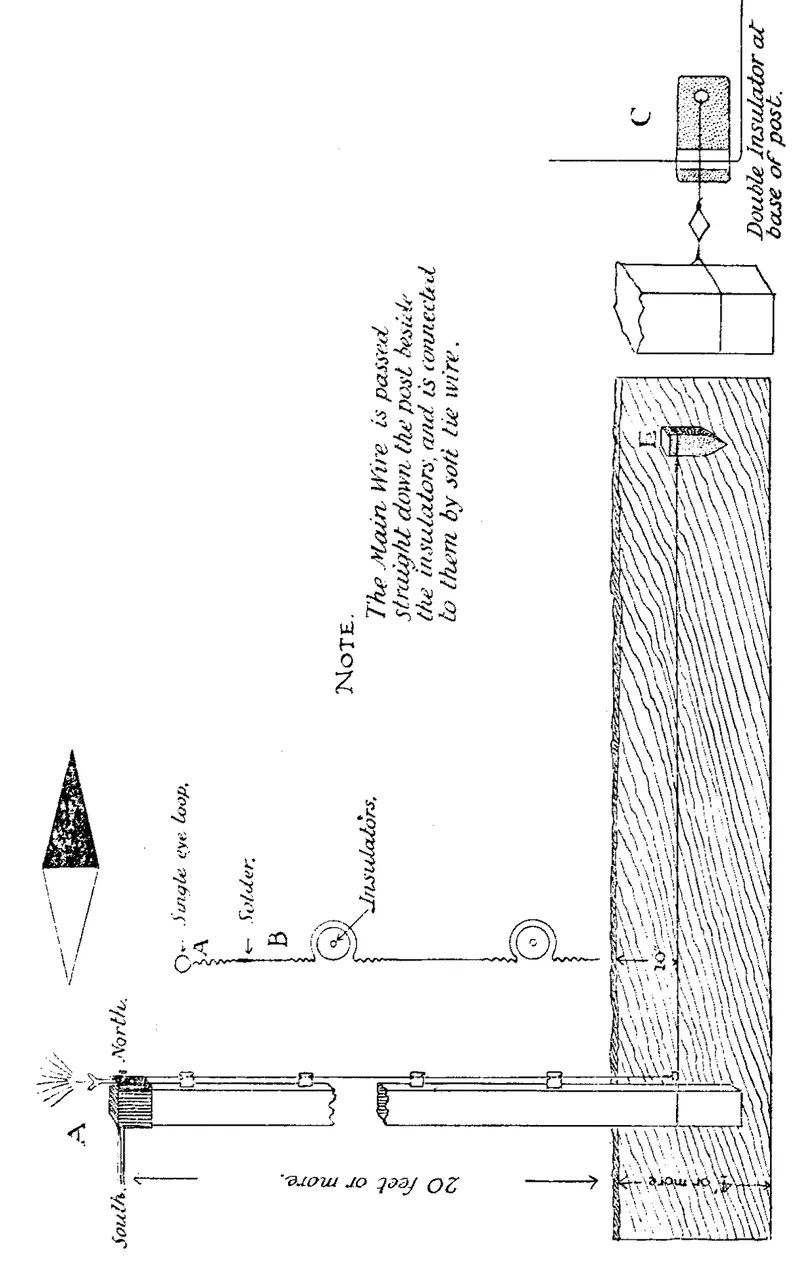 AntennasElectroculture Antenna Placement: Where and Which Way
What is the history of electroculture?
Electroculture is older than electric light: reports of electrified myrtles date to the 1740s, Abbé Bertholon described his "electro-vegetometer" in 1783, and the idea was tested on field scale from the 1880s to the 1930s (Dufour 2026). The History guides follow the people and documents in order: Selim Lemström's charged overhead wires in Finland, Justin Christofleau's 1920s apparatus and booklet, Georges Lakhovsky's coil, the 1926 USDA report, and the books that carried the idea forward. Each one quotes the original document and labels its numbers as historical reports where no modern control existed.
 HistoryElectroculture History: Who Invented It and When
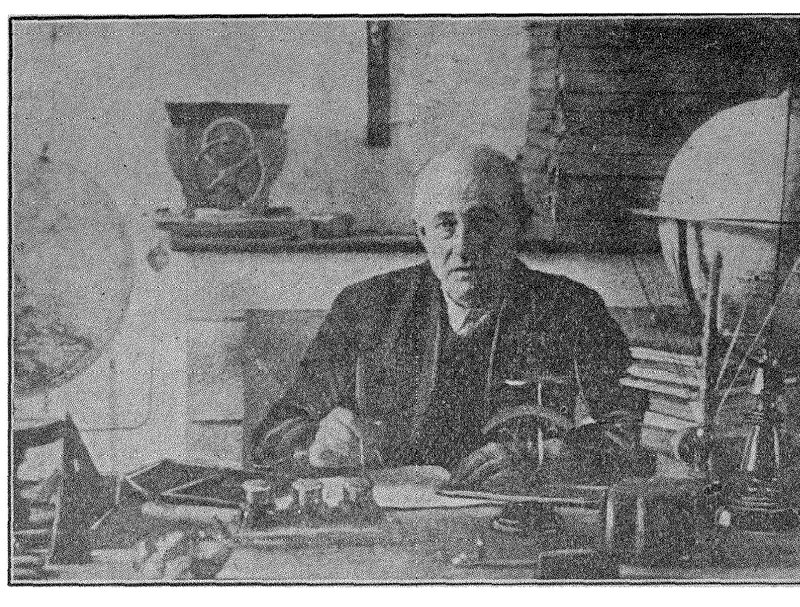 HistoryJustin Christofleau and His Electroculture Apparatus
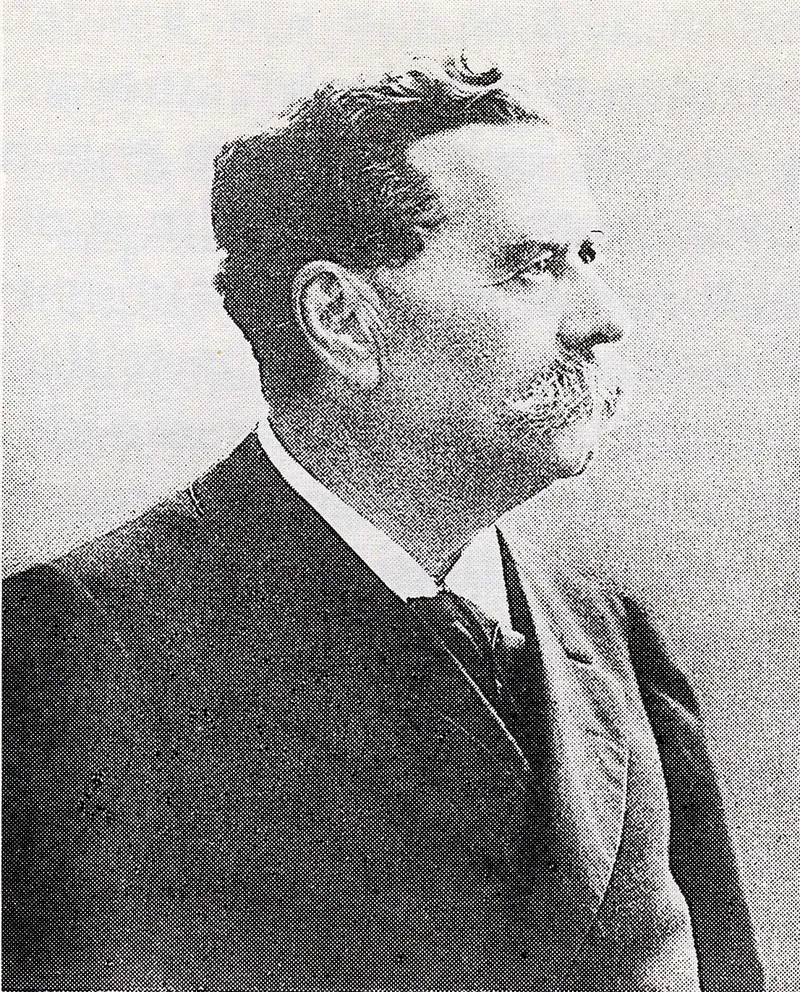 HistorySelim Lemström and His Electroculture Experiments
- HistoryLakhovsky Coil and the Multiple Wave Oscillator
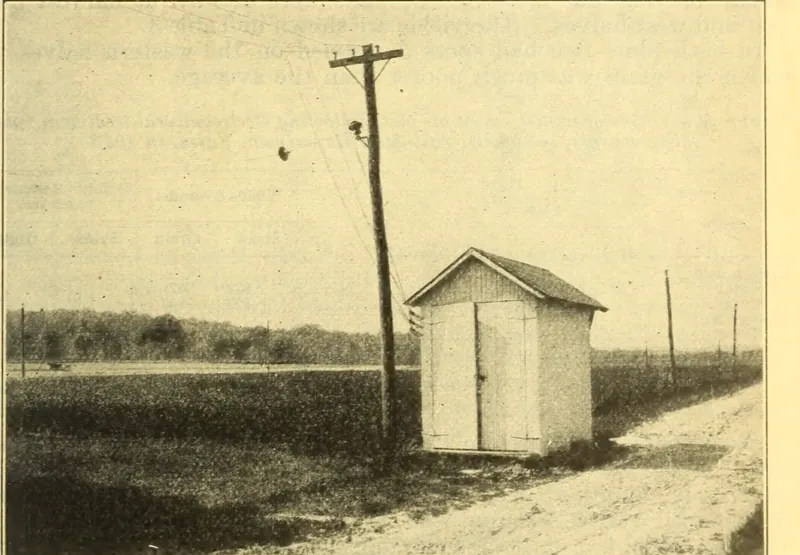 HistoryThe 1926 USDA Electroculture Report, Explained
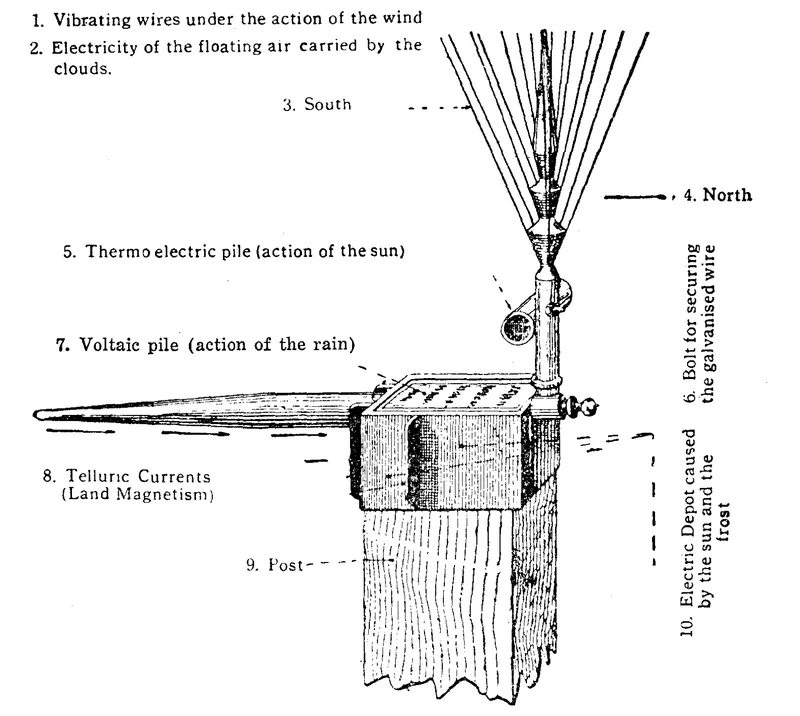 HistoryElectroculture Books: What Each Classic Says
What does modern science say about plants and electricity?
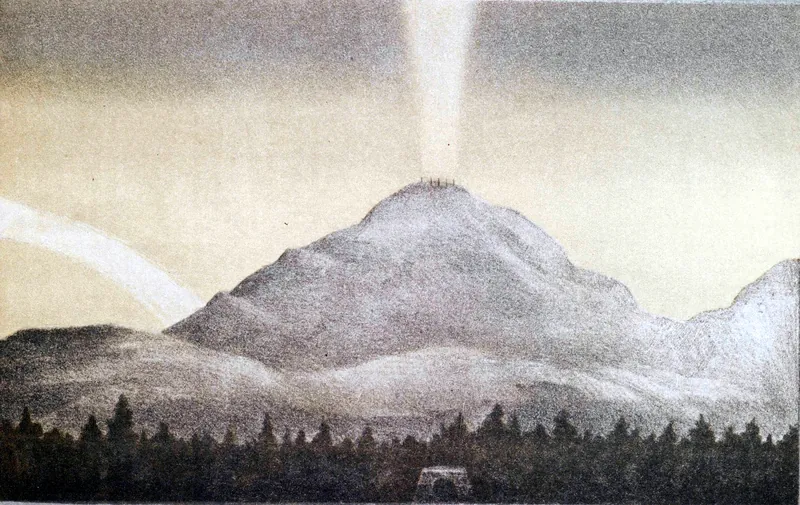
Plants do respond to electricity, but in the lab and at measured doses, not from passive antennas: a 2026 physics model of Bertholon's collector found any fair-weather effect "subtle and highly localized", limited to millimetres or centimetres around the metal tips (Dufour 2026). The Science guides explain the natural electric field over every garden, the research on applied electric fields, cold plasma treatments for seeds, and magnetoculture. They separate powered, dosed treatments, which show some real effects, from the passive devices sold for gardens.
How do you test electroculture yourself?
You test it the way the researchers did: grow matched plants with and without antennas, assign them at random, and weigh the harvest. The 2025 PLoS One trial used 10 plants per treatment for each crop and ran for 8 weeks (Chier et al. 2025), a scale most home gardens can copy. The Try it guide walks through the layout, what to record, and how to tell a real difference from ordinary bed-to-bed variation. The USDA learned that lesson the hard way: one Arlington rye plot beat its control by 43% in 1916 with no electricity at all, because its soil was better (USDA Bulletin 1379, p. 13).
| Your goal | Read first | Then read | Evidence level you will meet |
|---|---|---|---|
| A quick definition | What Is Electroculture? | Electroculture History | Historical report |
| Whether it works | Does Electroculture Work? | Electroculture Studies | Controlled, peer-reviewed; controlled government or station trial |
| Buying an antenna | Electroculture Antennas | How to Test Electroculture | Promotional claim or anecdote; controlled, peer-reviewed |
| Building your own | How to Make an Electroculture Antenna | Copper Wire for Electroculture | Promotional claim or anecdote; historical report |
| The original documents | The 1926 USDA Report | Electroculture Books | Controlled government or station trial; historical report |
| The physics | Atmospheric Electricity and Plants | Plasma Agriculture | Controlled, peer-reviewed; peer-reviewed review/model |
Short questions with short answers are collected on the electroculture FAQ, and the about page explains who writes the library.
How we put this page together
This hub summarises the guides linked above. Its figures come from USDA Department Bulletin 1379 (Briggs, Campbell, Heald and Flint, 1926), Iowa Research Bulletin 210 (Dorchester, 1937), Chier et al. 2025 in PLoS One and Dufour's two 2026 papers in Comptes Rendus Mécanique, all checked in October 2026. Forum posts, store listings and health claims were left out of the summaries; each guide says what it relies on.
Common questions
How are these electroculture guides organised?
They follow five groups: Learn for the basics and the evidence, Antennas for devices and how people use them, History for the original people and documents, Science for the physics and plant research, and Try it for a home trial. Each guide links to its neighbours in the same group.
Which guide is best if you have five minutes?
Read Does Electroculture Work?. It sets the historical reports, the government trials and the 2025 container study side by side, each with its evidence level, so you can see the whole record before reading any detail.
What do the evidence labels on each guide mean?
"Controlled, peer-reviewed" marks journal studies with control groups, such as the 2025 PLoS One trial. "Controlled government or station trial" marks tests like USDA Bulletin 1379. "Historical report" covers older accounts without modern controls, and "promotional claim or anecdote" covers booklets and store listings. Physics models and reviews, such as Dufour's, are marked "peer-reviewed review/model".
Do the guides sell anything?
A few antenna pages link to Thrive Garden, which has the same owners as this library, and every such link is marked. The history, science and evidence guides carry no store links. The ownership disclosure explains the arrangement.
Can you read the original electroculture documents?
Yes, several are public. The 1926 USDA bulletin is scanned by the Library of Congress, the Iowa bulletin is in Iowa State University's digital repository, and the 2025 study is free on PubMed Central. The guides link each one where an online copy exists.
How often are the guides checked?
Every guide was checked against its sources in October 2026, and each page shows the date it was last updated. New peer-reviewed studies are added to the evidence and studies guides when they appear.